Truecaller

Truecaller is one of the most widely used caller ID and spam-blocking apps in India, yet widespread use doesn't always mean a seamless experience. This project is a heuristic evaluation of the Truecaller app, conducted using Nielsen's 10 Usability Heuristics as a framework. The goal was to assess the app's interface with a critical UX lens identifying usability issues, inconsistencies, and areas where the experience falls short of user expectations.
Nielsen's 10 Usability Heuristics
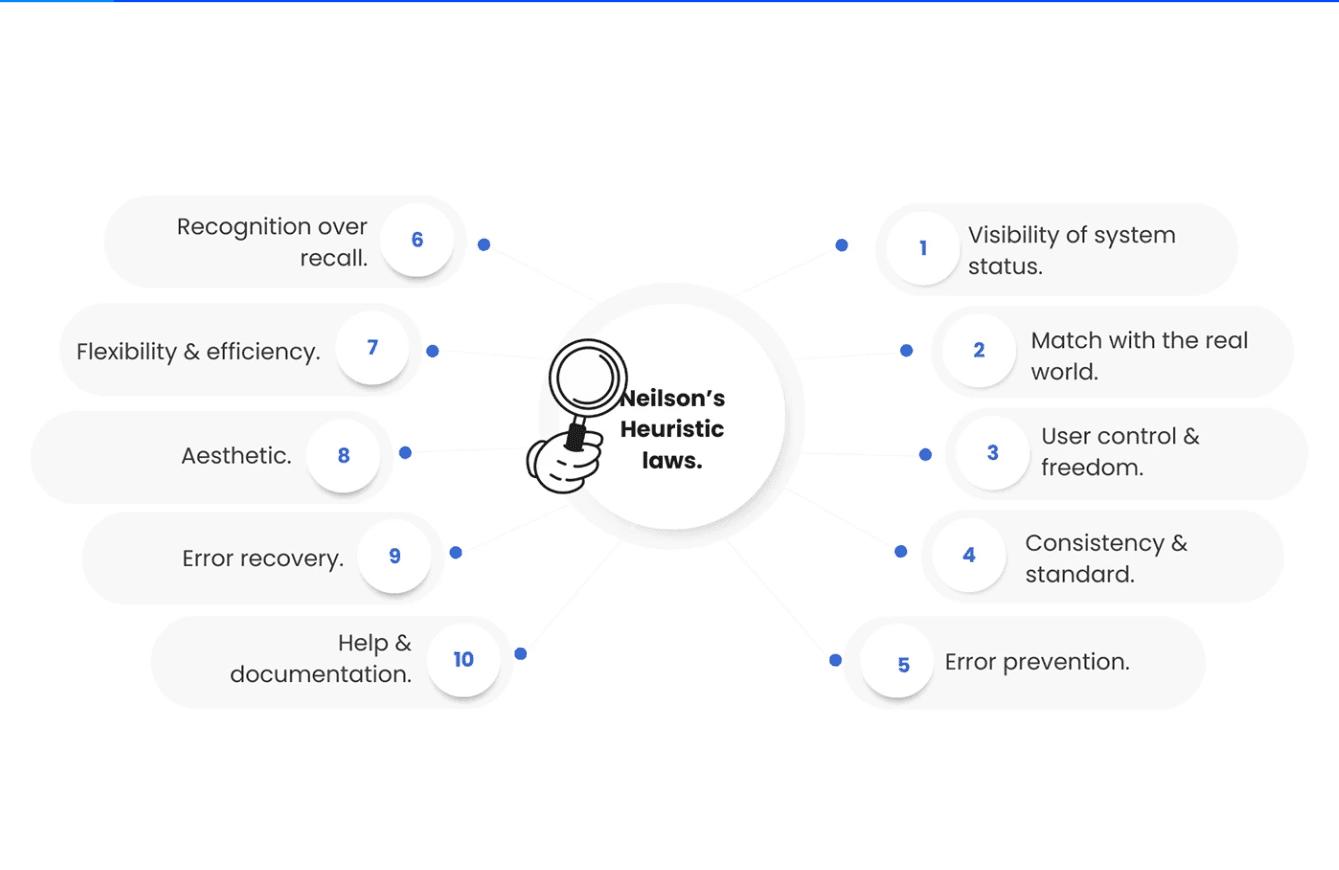
They bridge UI and UX .They ensure what the user sees translates into a smooth, logical experience . Every visual decision has a usability consequence, and heuristics keep both aligned. They reduce cognitive load principles like Consistency and Standards and Recognition Rather Than Recall make interfaces feel familiar and intuitive, so users spend less time figuring out how things work. They humanise design rules like User Control and Freedom and Error Prevention remind designers that real people make mistakes and need a way out. That empathy is what separates functional design from great design. They give teams a shared language instead of "this feels off," you can say "this violates system visibility" making feedback specific, objective, and actionable. They apply at every stage, Wireframe, prototype, or live product. These principles are a reliable constant throughout the entire design process.
The evaluation revealed that while Truecaller performs well on its core functionality, several usability gaps exist particularly around information clarity, feature discoverability, and interface consistency. This exercise reinforced how even high-adoption products have room for meaningful UX improvement. More than just a critique, it was a practice in thinking systematically about design ,asking not just what looks good, but what genuinely works for the user.
Click below to check out the entire project.